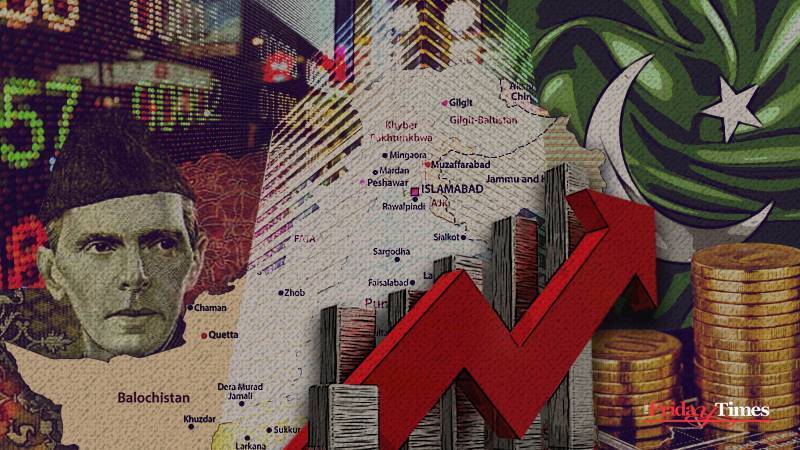


Competition or Connections? Why Pakistan Needs Free Markets, Not Favored Businesses

When Connections Matter More Than Competition
Writer: Yusra Urooj (SESA Leader)
You can understand Pakistan’s competition problem by imagining two people starting similar businesses. One has a good idea, limited savings, and no influential contacts. The other can call officials, secure licenses quickly, access easier financing, and perhaps benefit from a government contract. Even if the first person works harder, the second starts the race several steps ahead. That is not healthy competition. It is an economy where knowing the right person may matter more than offering the right product.
This problem is sometimes confused with a free market. The real issue is not free markets, but markets shaped by political favoritism instead of fair competition. People see powerful private companies, rising prices, and wealthy business groups, then assume that market freedom has failed. But a market is not truly free when selected firms receive tax exemptions, subsidies, import protection, cheap land, special financing, or repeated regulatory favor. Genuine competition means that businesses follow the same rules and succeed by serving customers better but not by remaining close to political power.
Pakistan has faced competition concerns in several important industries. During 2025, the Competition Commission of Pakistan published market assessments covering sugar, fertilizer, steel, insurance, power, pesticides, and other sectors. Having only a few large companies in a market doesn’t automatically mean they’re breaking the law. But when the same names keep dominating year after year, it’s fair to ask why new businesses struggle to enter. Are the rules too complicated? Are policies unintentionally protecting those already at the top? These are the questions regulators should be asking.
State-owned enterprises add another part to the problem. Some provide essential services and others generate profits, so they cannot all be treated alike. However, loss-making enterprises often continue running through public guarantees, subsidies, or financial support that an ordinary private business could never obtain. The Finance Division reported that loss-making federal state-owned enterprises recorded aggregate losses of about Rs 832.8 billion in fiscal year 2025. Ultimately, taxpayers carry much of this burden.
The effects are felt by ordinary households. A protected company has less reason to lower prices, improve quality, or listen to dissatisfied customers. Farmers may have fewer choices when purchasing inputs. Families may pay more for food, electricity, transport, or construction. Small businesses may struggle to enter markets controlled by established groups. The benefit remains concentrated, while the cost is quietly divided among millions of consumers and taxpayers.
Making the Market Fair for Everyone
So, what would fair competition actually look like? It would not mean allowing powerful companies to do whatever they want. Someone must still stop cartels, fraud, false advertising, and misuse of market power. The government should act like an honest referee: set clear rules, apply them equally, and never secretly help one player defeat another. Start with the experience of a business owner. Imagine registering a company, arranging taxes, obtaining permits, and clearing imported equipment. None of this should depend on knowing an official or paying someone to “speed up” the process. Putting forms online is useful, but it doesn’t solve much if the process is still confusing. All we’ve done is move the same bureaucracy onto a screen.
If public money is being used to support private businesses, citizens have a right to know where it goes. Publishing subsidies, tax exemptions, open bidding and government contracts would make favoritism much harder to hide while protecting honest officials and businesses from suspicion.
A strong and independent Competition Commission is essential, but it must investigate influential companies without receiving a political phone call telling it to stop. Businesses should also know the accusations against them and have the right to respond. Fairness will not come from replacing business influence with unchecked regulatory power either.
Privatization requires similar caution. Selling a public company is not automatically reform. If a government monopoly is handed to a connected buyer, the owner changes but the privilege remains. Any sale must be transparent, competitive, and independently evaluated.
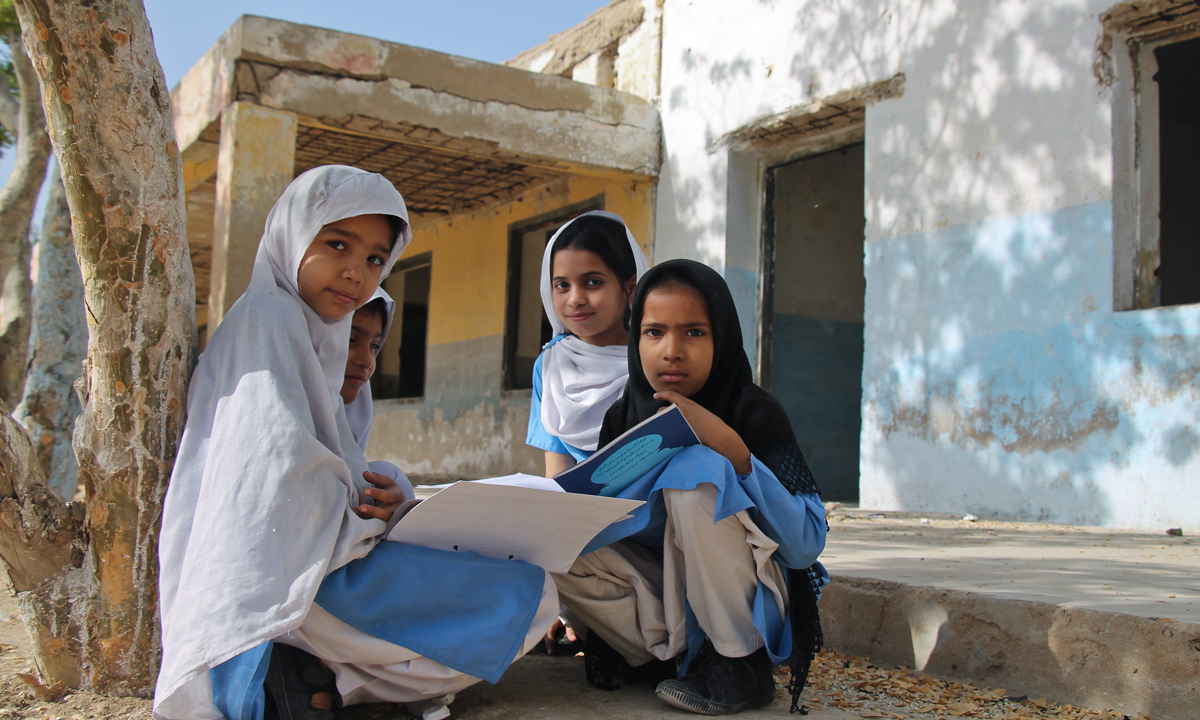
Think about a graduate in Peshawar, Quetta, or Multan who has a useful business idea but no family, collateral, or political contacts. Many young Pakistanis are told that entrepreneurship is the future. They work on ideas, save money, and take risks. But when getting a license or approval depends more on connections than merit, many give up before they even begin, abandon the idea or look abroad.
A fair market cannot promise that this graduate will succeed. Business always involves risk. What it can promise is a genuine chance to compete. Success should depend on prices, quality, service, and innovation, not access to powerful people. Pakistan does not need to guarantee winners. It needs to stop choosing them.