

Tag Archives: Economy
Competition or Connections? Why Pakistan Needs Free Markets, Not Favored Businesses

Pakistan has faced competition concerns in several important industries. During 2025, the Competition Commission of Pakistan published market assessments covering sugar, fertilizer, steel, insurance, power, pesticides, and other sectors. Having only a few large companies in a market doesn’t automatically mean they’re breaking the law. But when the same names keep dominating year after year, it’s fair to ask why new businesses struggle to enter. Are the rules too complicated? Are policies unintentionally protecting those already at the top? These are the questions regulators should be asking.
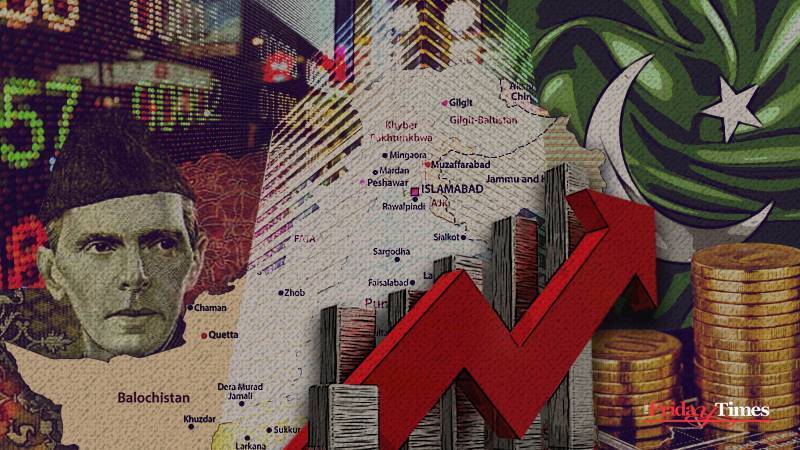
The Structural Roots of Pakistan’s Economic Problems; Tax, Debt & Circular Debt Crisis
Pakistan closed fiscal year 2025-26 collected almost Rs. 13 trillion in taxes which is a genuine improvement over prior years. Still it is nearly Rs. 978 billion short of the original target, even after the IMF agreed to lower it twice. Over the same time period, central government’s debt increased by more than 9% to Rs. 81.93 trillion by April 2026. These are not the numbers of a country experiencing a single crisis rather they are the numbers of a country whose economic problems have become structurally linked, each one reinforcing the next.

The Gig Economy in Pakistan: Opportunities for a new generation
Pakistani gig economy is no longer simply an economic opportunity; rather, it is a reflection of the strength, creativity, and determination of the youth of the nation. The state has shown its resolve by making large investments in skill development, digital infrastructure, and finance. The outcome can be witnessed from billion-dollar export earnings, millions of youth trained, and increased international reach of the country.